Insurance weather verification is the process of establishing, with objective atmospheric data, whether a specific weather event (hail, damaging wind, a tornado, flooding rain) reached a specific property on the date a claim says it did, and whether it was strong enough to cause the damage reported. The strongest version is a written forensic analysis prepared by a certified consulting meteorologist, who interprets radar, surface observations and damage surveys rather than handing over raw numbers. That is the work our team at Wxprep does for insurers, adjusters and attorneys, with same-day analysis available.
TL;DR
- Weather verification answers three questions for a claim: did the event happen at this address, when, and was it severe enough to cause the damage.
- The evidence base is public and federal: radar archives, storm event records and National Weather Service damage surveys, going back decades.
- Official storm reports have known gaps, so a defensible conclusion needs a meteorologist to reconcile radar, observations and ground reports.
- When a claim may be disputed or end up in court, a forensic report and, if needed, expert witness testimony carry far more weight than a data printout.
- We offer same-day analysis through certified consulting meteorologists, with services customized to the claim.
Table of Contents
- What weather verification means in an insurance claim
- The data behind a verification
- Why a data printout is not the same as verification
- What a forensic weather report contains
- Verification is only half the claim
- When to move from a data pull to expert analysis
- How we approach it
- Work with a certified consulting meteorologist
- FAQ
- Sources
What weather verification means in an insurance claim
Every property claim caused by weather rests on a causal chain: an event occurred, it reached the insured location, it was intense enough to produce the damage, and it happened while the policy was in force. Weather verification tests the first three links of that chain against atmospheric records. The date of loss, the location and the intensity are the three facts at stake.
The need shows up in several places:
- Property adjusters confirming that a reported hailstorm or windstorm really affected the address before the file moves forward.
- Carriers and reinsurers checking whether an event was capable of producing the claimed damage, particularly after large catastrophe events with many simultaneous claims.
- Defense and plaintiff attorneys who need a weather conclusion that will hold up under cross-examination.
- Businesses documenting a loss, a construction delay or an interruption caused by weather. Our guide to construction weather delays covers that side of the work.
NOAA's own reference material recognizes this use. Its severe convective storms guide describes how archived data and climatologies help insurers with claims verification and with building more accurate catastrophe models.
The data behind a verification
A credible verification draws on several independent layers of evidence. No single one tells the full story, which is the central reason experienced analysts compare them.
Radar archives
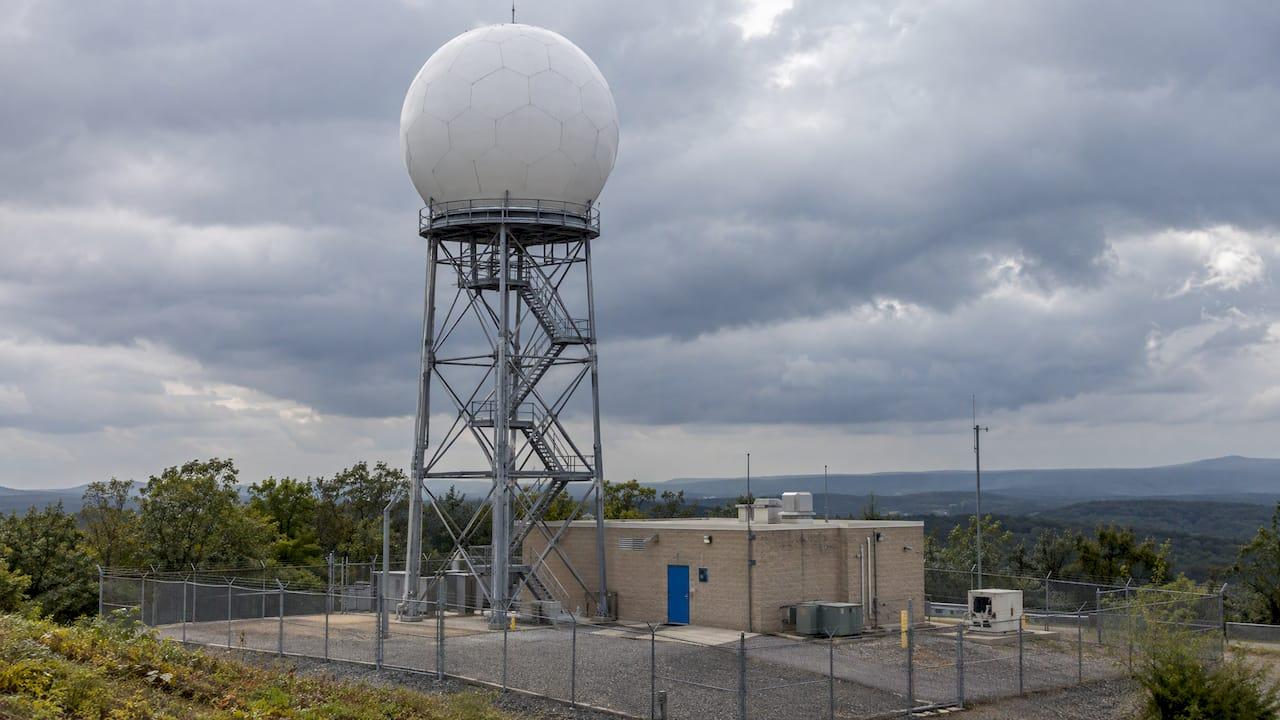
The NEXRAD network of weather radars is the backbone of most hail and wind verification. NOAA lists Archived NEXRAD Level 2 and Level 3 radar data going back to 1991 among the datasets that support retrospective analysis for insurers. A NOAA reinsurance-sector report notes that NEXRAD data can verify whether hail occurred, how large it was and where it fell, which helps insurers judge whether the event could have produced the claimed damage.
Radar does not measure hail at the ground. It samples the atmosphere above, so converting a radar signature into a statement about a particular roof takes judgment. Peer-reviewed work in Atmospheric Measurement Techniques explains that radar-derived hail-size estimates are affected by factors such as hail drifting horizontally as it falls, variable size distributions and mixed precipitation types. The same paper reports a deep-neural-network damage estimate that reached a critical success index of 0.88 and an R² of 0.79 against observed damage, a sign of how much careful method matters when moving from radar to damage.
Multi-Radar, Multi-Sensor (MRMS) products add gridded estimates of hail size and the spatial extent of hailfall. Researchers evaluating them note that this information matters both for warning verification and for insurance users verifying claims. That study checked the products against 21,184 SHAVE reports and 2,814 Storm Data reports, showing how heavily this field leans on ground truth to calibrate remote measurements.

Storm event records
NOAA's National Centers for Environmental Information maintains the Storm Events Database. Its user guide explains that records can be searched by location, including address, and filtered by event type, with additional filters for hail, tornado or wind magnitude where available. Results list each event with its key parameters, sorted by start date and time by default, and an Episode Details page maps the event location and time.
For a claims file, these entries are a starting point: they show whether an event was officially logged near the property and when. They are not a verdict on a given address.
Damage surveys
When a significant wind or tornado event occurs, National Weather Service staff may survey the damage. An NWS presentation describes how these surveys determine the type of damage, such as tornado, straight-line wind, microburst or tropical storm, estimate wind speed and EF-scale rating, and establish start and end points and times of tornado tracks. Where a survey exists, it is some of the most authoritative evidence available, because it ties atmospheric processes to physical damage.
Surface observations and satellite imagery
Airport and mesonet stations record wind gusts, rainfall and pressure at specific times, and satellite imagery documents cloud structure and storm evolution. Our guide to satellite weather data explains what that imagery measures. A meteorologist uses these sources to fill the gaps between radar scans and to check that the timeline is consistent from minute to minute.
Why a data printout is not the same as verification
Many verification products on the market return a summary for an address: a hail size, a wind speed, a date. That is useful for triage. It becomes less useful when the claim is contested, because someone has to explain how the figure was derived and why it applies to this building.
Industry commentary republished by Claims Journal makes the underlying point: officially published weather data carries known limits, and storm reports may understate severity, misstate hail size, misplace coordinates or omit events entirely because of reporting gaps and observer variability. A storm report is a human observation, often called in by a spotter or resident. The absence of a report near an address does not mean nothing happened, and the presence of one does not prove what happened at a specific roof.
This is where interpretation separates a strong file from a weak one. A forensic meteorologist asks questions a database cannot:
- Does the radar signature align in time and space with the reported report, or was the storm core a mile away?
- Is the reported hail size consistent with the radar-derived estimate and with the environment that day, including freezing level and storm motion?
- Did wind damage come from straight-line winds, a microburst or a tornado, and what does that imply about direction and intensity at the property?
- Do the timeline, the date of loss and the policy period agree?
- Were other storms on other dates also capable of producing the damage?
That last question matters more than it seems. Roofs and siding accumulate wear from many events, and a defensible report addresses every candidate date, not just the one named in the claim.
What a forensic weather report contains
A well-built report is written to be read by an adjuster, a claims manager or a judge. Typical contents include:
- A clear statement of the question: location, date or date range, and the type of damage alleged.
- The data used, with its origin and time stamps, so another expert could retrace the work.
- An analysis of radar, observations and any official damage survey, reconciled into one timeline.
- A conclusion in plain language: what occurred at the location, how intense it was, and whether that is consistent with the damage described.
- Maps and graphics that show the storm's path relative to the property.
Our forensic meteorology services guide walks through what these reports cover and when to commission one. Flood losses follow a related logic, covered in our piece on flood damage assessment.
Verification is only half the claim
Weather data tells you what the atmosphere did. Whether the roof was damaged and how it should be repaired is a separate inspection question. A property owner dealing with the physical side can read about recognizing and documenting hail damage on a roof, which shows why the physical evidence and the meteorological evidence need to line up in the same file.
When both agree, a claim moves quickly. When they conflict, the meteorological analysis is what explains the conflict, for example that a storm passed a mile north of the building, or that the hail was smaller than the damage would suggest.

When to move from a data pull to expert analysis
Not every claim needs a full report. These situations usually do:
- A large or complex loss. Higher dollar amounts justify a documented, repeatable analysis.
- Conflicting evidence. The policyholder reports hail, but nearby reports show none, or the reverse.
- Multiple possible dates of loss. Coverage can depend on which storm caused the damage.
- Litigation or appraisal. A conclusion that a meteorologist is prepared to stand behind under oath is a different kind of evidence. Read what a meteorologist does in court in our weather expert witness guide.
- Pattern claims after a catastrophe. Many claims from one event call for consistent, well-documented methodology across files.
Turnaround matters too. Claims lose momentum while they wait for evidence, and attorneys often work against filing deadlines. That is why same-day analysis is a core part of how we work.
How we approach it
Michael's perspective
Over time, the most important lesson in forensic meteorology is that data does not speak for itself. A hail size from a database, a wind gust from a distant station and a storm report from a spotter are all pieces of evidence, and each says something different about the same afternoon. Our job as certified consulting meteorologists is to explain how those pieces fit together, and to do it in language an adjuster, an attorney or a jury can follow.
That is why our services are customized to the question in front of us. A carrier checking a single roof needs something different from a law firm preparing for trial or an emergency manager planning for the next event. We provide same-day analysis because a claim or a case should not wait on the weather record, and we provide direct access to the meteorologist who did the work, so the people relying on the conclusion can ask questions.
High-impact weather deserves careful, professional analysis. When the stakes include coverage decisions and court testimony, a defensible conclusion from a qualified expert is the better foundation.
Michael
Work with a certified consulting meteorologist
If you are handling a weather-related claim or a case that turns on what the atmosphere did at a particular place and time, our team can prepare a customized forensic weather report and, when needed, provide expert witness testimony. You can see everything we offer, including expert witness, risk mitigation, event forecasting and emergency plans, on our services page.

Send us the address, the date range and the damage alleged, and we will tell you what the record shows.
FAQ
What is insurance weather verification?
It is the process of confirming with atmospheric data that a weather event occurred at an insured location on the claimed date and was strong enough to cause the reported damage. It typically draws on radar archives, official storm event records, damage surveys and surface observations. A written analysis from a meteorologist presents the findings in a form adjusters and attorneys can rely on.
What data is used to verify hail and wind claims?
The core sources are archived NEXRAD radar data, which NOAA says goes back to 1991, the NCEI Storm Events Database, and National Weather Service damage surveys. Surface station observations and satellite imagery fill in timing and structure. A meteorologist compares these layers rather than relying on one.
Is a storm report in a federal database enough to prove a claim?
It is a useful starting point, but storm reports are human observations and can misstate hail size, misplace coordinates or leave out events altogether. For a claim that may be disputed, an analysis that reconciles radar, observations and reports is stronger evidence than a single database entry.
When should a claim involve a forensic meteorologist?
Consider one when the loss is large, when the evidence conflicts, when more than one storm could be the cause, or when the matter may reach appraisal or court. Early involvement helps because the analysis can shape which questions are investigated, and our team can turn around analysis the same day.
Can a meteorologist testify about weather in court?
Yes. Forensic meteorologists regularly explain weather evidence to judges and juries. Our certified consulting meteorologists provide expert witness testimony, and our guide to the role describes what to expect.
Sources
- NOAA NCEI, Hazards at a Glance Severe Convective Storms Data Reference Guide
- NOAA NCEI, Success Stories on User Engagement (reinsurance report)
- Atmospheric Measurement Techniques, Radar and environment-based hail damage estimates
- Evaluating Multi-Radar, Multi-Sensor Products for Surface Hail-Fall Diagnosis
- NOAA NCEI, Storm Events Database User Guide
- NWS, Streamlining the Tornado Survey Process
- Claims Journal, Balancing Technology and Expertise in Property Insurance
- Hagelschade aan uw dak: herkennen, vastleggen en herstellen